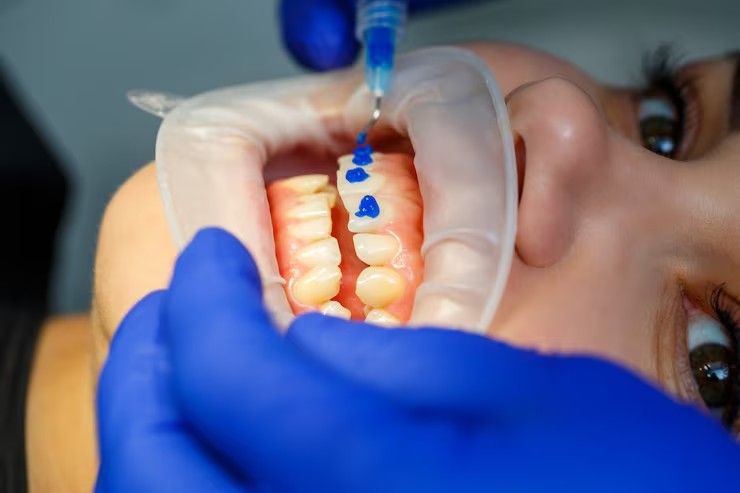
Wondering how to further protect your child’s teeth from getting damaged by cavities? When you visit your dentist, they can apply dental sealants in South Miami that can help protect the small pits and deep grooves of back teeth. Food and germs can often get stuck in these hard-to-reach areas, making them hard to reach with just a toothbrush. Sealants can shield these grooves with a thin protective coating, facilitating surface cleaning and may beneficially reduce the risk of a cavity forming.
When used in combination with routine brushing and flossing, good eating habits, and regular visits to a dental office in South Miami, sealants can help your child’s future oral health.
What Are Dental Sealants?
Dental sealants are thin protective coatings placed over the chewing surfaces of certain teeth. They are most often used on back teeth, where deep pits and grooves can trap food.
The sealant covers these grooves with a smooth layer, making them easier to clean. It does not replace brushing, flossing, or regular dental visits. Instead, it gives your teeth extra protection.
How Can Dental Sealants Help Prevent Cavities?
Cavities occur when bacteria and acids damage the outer surface of a tooth. The deep grooves on back teeth can be hard to clean, especially for children who are still learning how to brush properly.
A sealant may help by:
- Covering deep grooves where food can collect.
- Creating a smoother surface that is easier to brush.
- Helping reduce contact between the tooth surface and harmful bacteria.
- Adding protection to teeth that may be more likely to develop cavities.
- Supporting other preventive dental care habits.
Sealants cannot guarantee that cavities will never develop, but they can lower the risk when combined with good daily oral hygiene.
Who May Benefit From Dental Sealants?
Children and teenagers are often good candidates because their newly erupted permanent molars may have deep grooves that are difficult to clean. However, adults may also benefit from sealants in certain situations.
A dental professional may consider sealants based on:
- The depth and shape of the tooth grooves.
- The current condition of the teeth.
- The risk of developing cavities.
- Previous history of tooth decay.
- The ability to keep the teeth clean.
The decision should be based on an individual dental examination rather than age alone.
When are Sealants Usually Applied?
Sealants are usually placed on permanent back teeth after they come in. Early treatment can help protect these teeth from cavities. The timing depends on the child’s teeth and cavity risk.
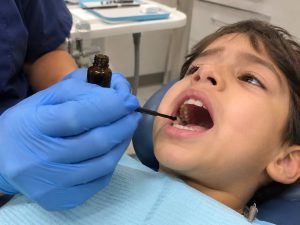
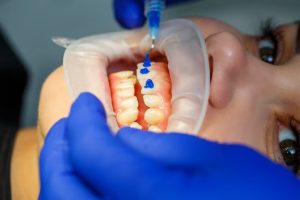
Before a sealant is applied, the tooth is cleaned. A thin layer is placed over the grooves and hardened to stay in place. The process is quick and does not harm healthy parts of the tooth.
What Happens During a Dental Sealant Appointment?
A sealant appointment is usually simple. The tooth must be clean and dry so the material can bond properly.
The general steps include:
- Cleaning: The tooth is carefully cleaned to remove food and buildup.
- Preparation: The tooth is cleaned and made ready for the sealant.
- Application: A thin layer of sealant is placed over the grooves.
- Hardening: A special light may be used to help the sealant set.
- Final check: The bite is checked to make sure the sealant feels comfortable.
For children, the process can be completed during a regular preventive dental visit.
How Long Do Dental Sealants Last?
Dental sealants can protect for several years, but they may wear down over time. Chewing pressure, tooth grinding, and normal use can affect how long they remain intact.
Regular dental visits with a dentist near you are helpful because the sealants can be checked during routine examinations. If a sealant becomes worn or damaged, it may be repaired or replaced when needed.
Can Sealants Replace Brushing and Flossing?
No. Sealants add extra protection but do not replace brushing and flossing. Cavities can still form on other parts of the teeth.
For better protection:
- Brush twice a day with fluoride toothpaste.
- Clean between your teeth daily.
- Limit sugary foods and drinks.
- Drink plenty of water.
- Get regular dental checkups.
- Have sealants checked during visits.
Good oral care is still important for preventing cavities and keeping teeth healthy.
Protect Your Child’s Smile With Preventive Care!
Dental sealants can be a useful part of a cavity-prevention plan, especially for teeth with deep grooves that are harder to clean. Along with daily brushing, flossing, healthy habits, and regular dental visits, sealants help reduce the risk of tooth decay and support better oral health.
Ready to learn whether dental sealants are right for your child? Book an appointment with Dr. Bob, Pediatric Dentist, to discuss preventive care options for a healthy, confident smile.
FAQs
Are dental sealants safe for children?
Yes. Dental sealants are commonly used for children and teens to protect teeth from cavities. Your dentist can check if they are right for your child.
Do dental sealants hurt?
No. Applying sealants is usually quick and comfortable. It does not require drilling into the tooth.
Can adults get dental sealants?
Yes. Adults may also benefit from sealants if they have deep grooves or a higher risk of cavities.
How often should dental sealants be checked?
Sealants should be checked during regular dental visits. If they wear down or break, they may need to be repaired or replaced.