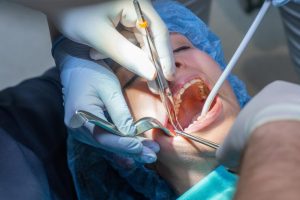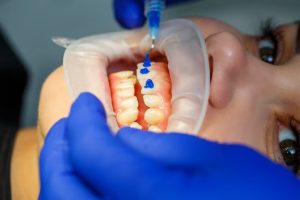
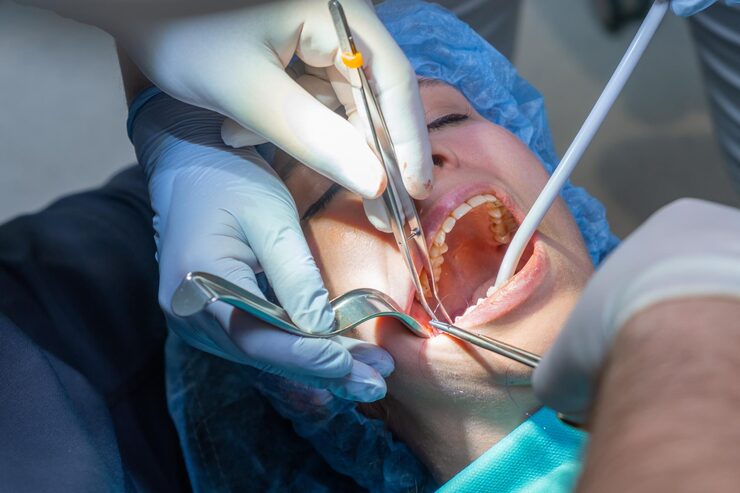
Healing after a tooth is removed takes time, and everyone may heal a little differently. Dental extraction near you may be needed when a tooth cannot be saved or when removing it is the right option for another dental problem. After the tooth is removed, the area needs time to heal. The gum slowly grows over the space where the tooth was. Some soreness, swelling, or tenderness is common during the first few days. Following your dentist’s aftercare instructions can help the area heal and lower the risk of problems.
Knowing what may happen each day can make recovery easier to understand and help identify when something does not seem right.
First 24 Hours: Protect the Extraction Site
The first day after a tooth is removed is important because a blood clot forms in the empty area. This clot protects the area and helps healing start.
During the first 24 hours:
- Keep the gauze in place as your dentist tells you.
- Do not rinse your mouth hard or spit forcefully.
- Eat soft foods that are easy to chew.
- Do not smoke or use tobacco.
- Rest and avoid heavy exercise.
- Take any recommended medicine as directed.
A small amount of bleeding or oozing may be normal during the first few hours.
Days 2 to 3: Swelling May Increase
Swelling and soreness can sometimes become more noticeable during the first few days before they begin to improve. This does not necessarily mean there is a problem.
A pediatric dentist may recommend simple steps such as using a cold pack on the outside of the face for short periods during the early stage of recovery.
Soft foods that require little chewing can make eating more comfortable while the area is tender.
Days 4 to 7: Healing Starts to Feel Easier
At this time, pain and swelling may start to go down. The area where the tooth was removed may still be sore, especially when eating or brushing close to it.
Your dentist may give you instructions on how to clean the area. Keep your mouth clean, but be gentle around the spot where the tooth was removed.
Follow the recommended instructions rather than touching or checking the area repeatedly with the tongue or fingers.
One to Two Weeks: Gum Tissue Continues to Heal
The gum may look much better after one or two weeks, but the deeper parts may take more time to heal. The open space where the tooth was removed will slowly get smaller as new tissue grows.
Dental extraction near you does not mean the area is fully healed once the pain or soreness goes away. Healing can take longer and may depend on the tooth that was removed, how difficult the extraction was, and how your body heals.
When Can Normal Activities Resume?
Your child can usually go back to normal activities when they feel well enough. They may need to avoid heavy exercise for a short time. The dentist will tell you when it is safe to return to these activities.
A pediatric dentist near you can explain when it is appropriate to return to sports, exercise, school, or other activities based on the child’s recovery.
Signs That Need Dental Attention
Some discomfort is expected, but certain changes warrant attention. Contact the dental team if there is:
- Heavy bleeding that does not improve
- Severe or worsening pain
- Swelling that continues to increase
- Fever or feeling unwell
- Pus or unusual drainage
- Difficulty breathing or swallowing
- A bad taste or smell that develops with increasing pain
A dental office in South Miami can help determine whether these symptoms are part of normal healing or require further care.
Tips for a Smoother Recovery
Simple care can support healing after an extraction:
- Follow all aftercare instructions.
- Eat soft foods and drink enough fluids.
- Keep the mouth clean as directed.
- Avoid smoking and tobacco during healing.
- Do not disturb the extraction site.
- Take prescribed or recommended medication as directed.
Recovery does not happen at the same speed for every child, so follow-up advice should be based on the individual situation.
Help Your Child Recover With the Right Care!
The days after a tooth extraction are an important part of healing. Knowing how to care for the extraction area, what changes to expect, and when to seek dental advice can help make recovery easier for both the child and the parent. Proper aftercare can also help protect the healing area while the gum continues to recover.
Book an appointment with Dr. Bob Pediatric Dentist to discuss your child’s recovery and get clear guidance on post-extraction care and the next steps for a healthy smile.
FAQs
Can a child sleep normally after a tooth extraction?
Yes, your child can usually sleep after having a tooth removed. The first night may need some extra care. Follow your dentist’s advice about how your child should sleep, what to do if there is bleeding, and any medicine they need.
Can a child use a straw after a tooth extraction?
It is generally best to avoid using a straw during the early healing period. The sucking action may disturb the blood clot that forms in the extraction area.
How should a child manage bad breath after an extraction?
A mild change in breath can occur while the extraction site heals. Keeping the mouth clean as instructed and following the recommended aftercare can help. Persistent bad breath with increasing pain should be reported to the dental team.
Can a child play sports after a tooth extraction?
Strenuous activity may need to be avoided for a short time after an extraction. Returning to sports should depend on the type of extraction, healing progress, and the dental team’s instructions.