Silver diamine fluoride (SDF) can help arrest or slow selected cavities without drilling, but it cannot rebuild a tooth damaged by decay. An examination helps determine suitability, particularly when symptoms suggest deeper infection or pulp involvement.
Pediatric silver diamine fluoride in South Miami may suit young children who find restorative treatment difficult or need cavity management before further care. The treated area usually turns black permanently, so families should understand the visible change and follow-up needs before deciding.
What Is Silver Diamine Fluoride?
SDF is a liquid applied by a dental professional to an active cavity. Silver helps control bacteria, while fluoride supports mineral recovery. It may delay more extensive treatment in selected cases, but it is part of ongoing cavity management—not a cure for every type of decay.
When Might SDF Help a Child?
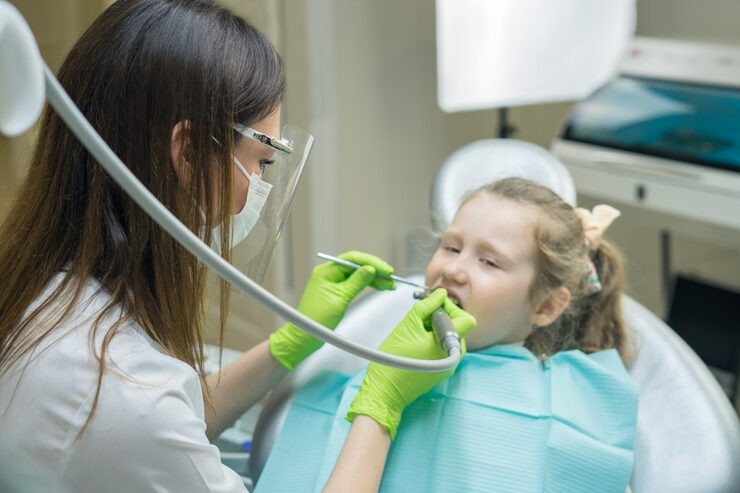
A pediatric dentist near you can assess whether SDF suits the child’s age, symptoms, cavity depth, and ability to tolerate treatment. It may help with certain baby teeth or when conventional treatment is difficult. Decay involving the pulp or causing significant pain or infection may require another procedure.
What Happens During Application?
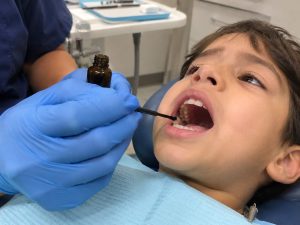
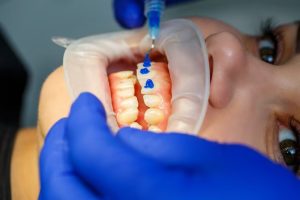
SDF application is usually brief and does not involve drilling. The dentist dries the tooth and applies a small amount of liquid to the cavity. The exact technique depends on the case.
Families should know the main considerations:
- Dark Staining: The treated decayed area usually turns black permanently.
- Temporary Tissue Staining: Skin or gums touched by the liquid may stain briefly.
- Taste or Irritation: A metallic taste or local irritation can occur.
- Follow-Up: The dentist checks the result; repeat applications or a filling or crown may still be needed.
Is SDF a Replacement for a Filling?
Not always. SDF can control decay without removing tooth structure, but it cannot rebuild a large cavity or restore a weakened chewing surface. A filling or crown may still be needed, depending on the cavity’s size, location, and remaining tooth structure.
A pediatric dental office in South Miami can discuss expected darkening, alternatives, and whether restoration or monitoring is needed. Informed consent matters because staining may be noticeable, especially on front teeth.
When Should a Child Be Seen Promptly?
Do not rely on SDF alone for persistent toothache, gum or facial swelling, pus, fever or difficulty eating. These may indicate deeper infection and need prompt assessment. Facial swelling with difficulty swallowing or breathing requires urgent medical care. Continue brushing with fluoride toothpaste, limiting frequent sugary snacks and attending dental reviews.
Make an Informed Choice for Your Child
Treatment should suit the tooth’s condition and your child’s needs. Understanding SDF’s benefits and limits helps families consider this minimally invasive option alongside restorative care and follow-up.
Book a consultation with Dr. Bob Pediatric Dentist to discuss your child’s cavity and suitable treatment options. A clear plan can help protect their smile with confidence.
FAQs
Does SDF stop cavities permanently?
Not always. SDF can arrest or slow decay, but follow-up is needed. Repeat application or a filling may still be necessary.
Does SDF hurt?
Application is generally quick and does not require drilling or an injection. Some children notice an unpleasant taste or temporary tissue irritation.
Why does the cavity turn black?
SDF darkens the treated decayed area, usually to black. This staining is permanent on the cavity, so discuss the expected appearance beforehand.
Will my child still need a filling?
Possibly. SDF does not replace missing tooth structure. A filling or crown may be recommended if the cavity is large, weakens the tooth, or needs further restoration.